



Home
Types of pain we treat
Joint pain

Joint pain
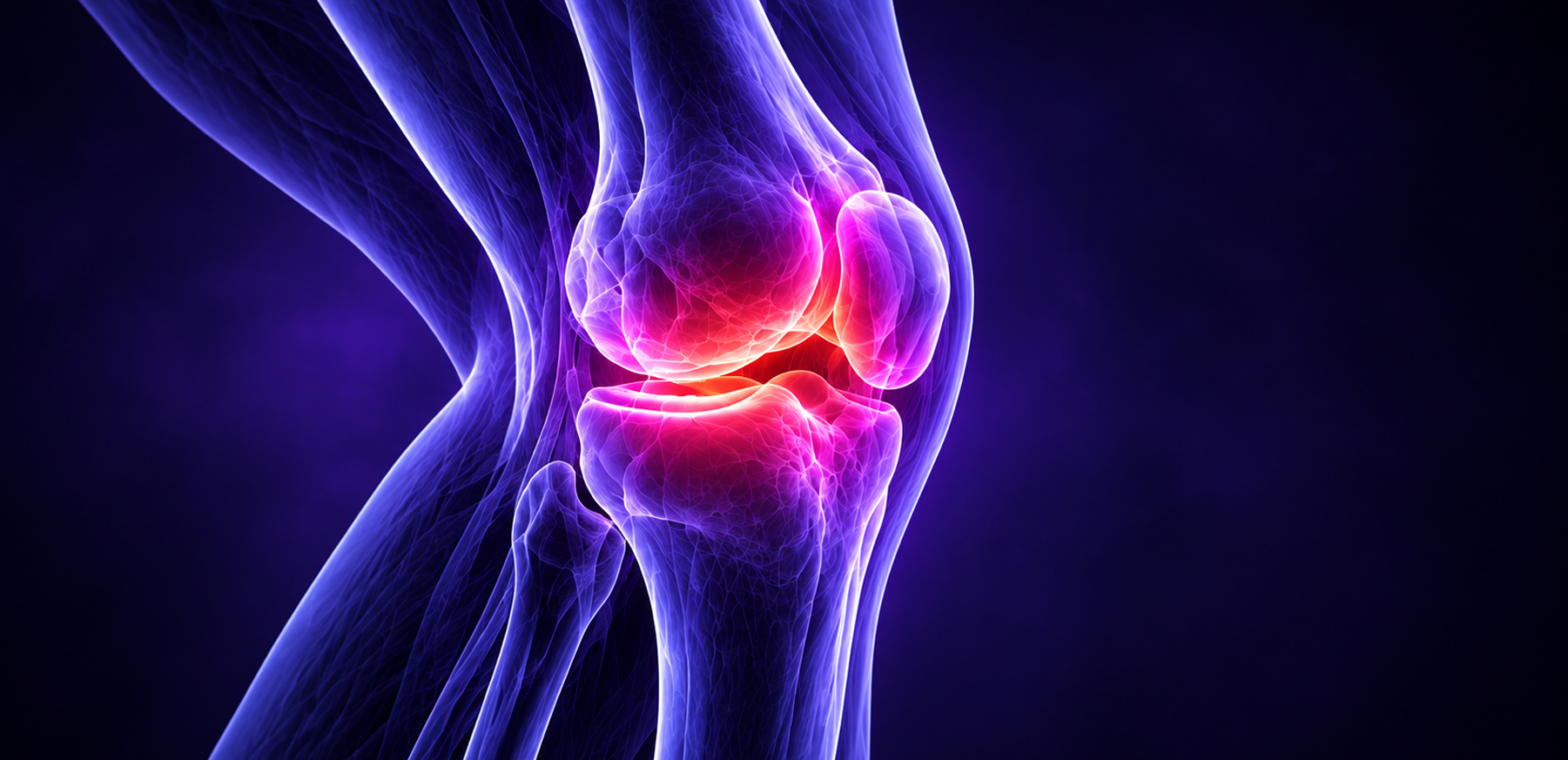
Knee pain is one of the most common musculoskeletal complaints and can significantly affect walking, sports, and everyday activities. One of the leading causes of chronic knee pain is knee osteoarthritis, a degenerative joint condition characterised by the gradual deterioration of cartilage and changes in overall joint function.
The pain typically worsens with movement, prolonged physical activity, or climbing stairs. In more advanced stages, it may also occur at rest or during the night. Other possible causes of knee pain include inflammation, injuries, overuse, meniscal tears, and degenerative changes associated with ageing and excess body weight. Common accompanying symptoms include stiffness, swelling, reduced range of motion, and a feeling of knee instability.
Treatment depends on the underlying cause and severity of the condition. Initial management typically includes physiotherapy, reducing excessive joint stress, targeted exercises, and pain medication. For persistent pain, we offer interventional pain management options, including therapeutic injections, hyaluronic acid injections, platelet-rich plasma (PRP) therapy, polynucleotide and peptide treatments, and radiofrequency procedures.
Knee pain
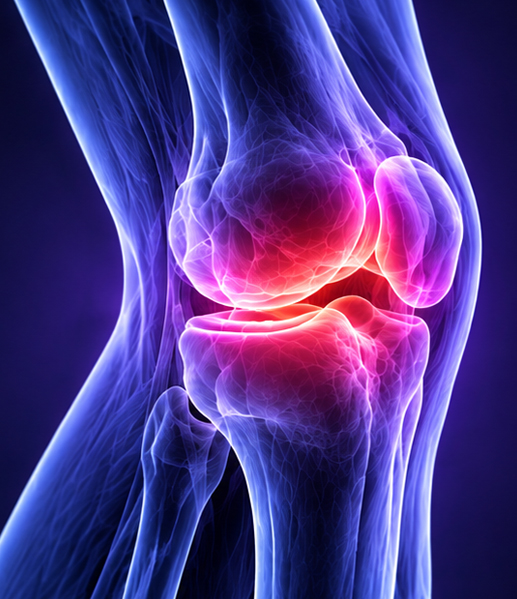
Knee pain is one of the most common musculoskeletal issues and can significantly limit walking, sports, and everyday activities. The most frequent cause of chronic pain is knee osteoarthritis, a condition involving the gradual wear of cartilage and altered joint function. Pain typically worsens with movement, prolonged exertion, or climbing stairs; in advanced stages, it may also occur at rest or during the night.
Knee pain can also stem from inflammation, injuries, overuse, meniscus damage, or degenerative changes associated with age and excess weight. Symptoms often include stiffness, swelling, limited mobility, or a sensation of knee instability. Treatment depends on the cause and severity of the condition. The foundation of therapy includes rehabilitation, reducing excessive strain, exercise, and pain management. For persistent pain, we employ therapeutic injections, hyaluronic acid administration, or radiofrequency treatment of the knee nerves to provide long-term pain relief and improve joint function.

Hip pain
Hip pain most commonly presents as pain in the groin and may worsen with walking, prolonged standing, climbing stairs, or lying on the affected side. The pain may radiate into the thigh or down towards the knee and is often accompanied by tenderness to touch or stiffness in the hip area.
Common causes include overuse of the soft tissues surrounding the hip, bursitis, damage to the gluteal tendons, or degenerative changes in the musculoskeletal system. Risk factors include advanced age, excess weight, repetitive strain, sports-related overuse, and lower back pain. Treatment depends on the underlying cause and involves lifestyle adjustments, rehabilitation, physiotherapy, and medication.
Shoulder joint pain
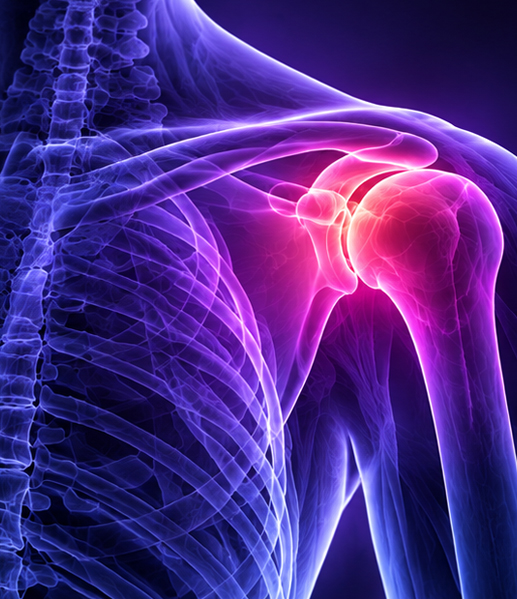
The shoulder joint is the most mobile joint in the human body. Its high degree of mobility makes it susceptible to overuse, instability, and degenerative changes. Common causes of shoulder pain include rotator cuff damage, tendon inflammation or tears, and frozen shoulder syndrome.
Conditions such as diabetes or thyroid disorders can increase the likelihood of shoulder pain. Standard treatment methods include rehabilitation, pain medication, and the application of cold or heat. If these methods prove ineffective, we recommend that patients undergo injection therapy, a suprascapular nerve block, or radiofrequency nerve ablation.
Book a specialist consultation
Every patient and every pain condition requires an individual approach.
At the Pain Clinic, we employ modern diagnostic and treatment
methods aimed at precisely identifying the cause of the condition
and devising an appropriate treatment plan.
recepcia@painclinic.sk