



Home
Types of pain we treat
Back pain
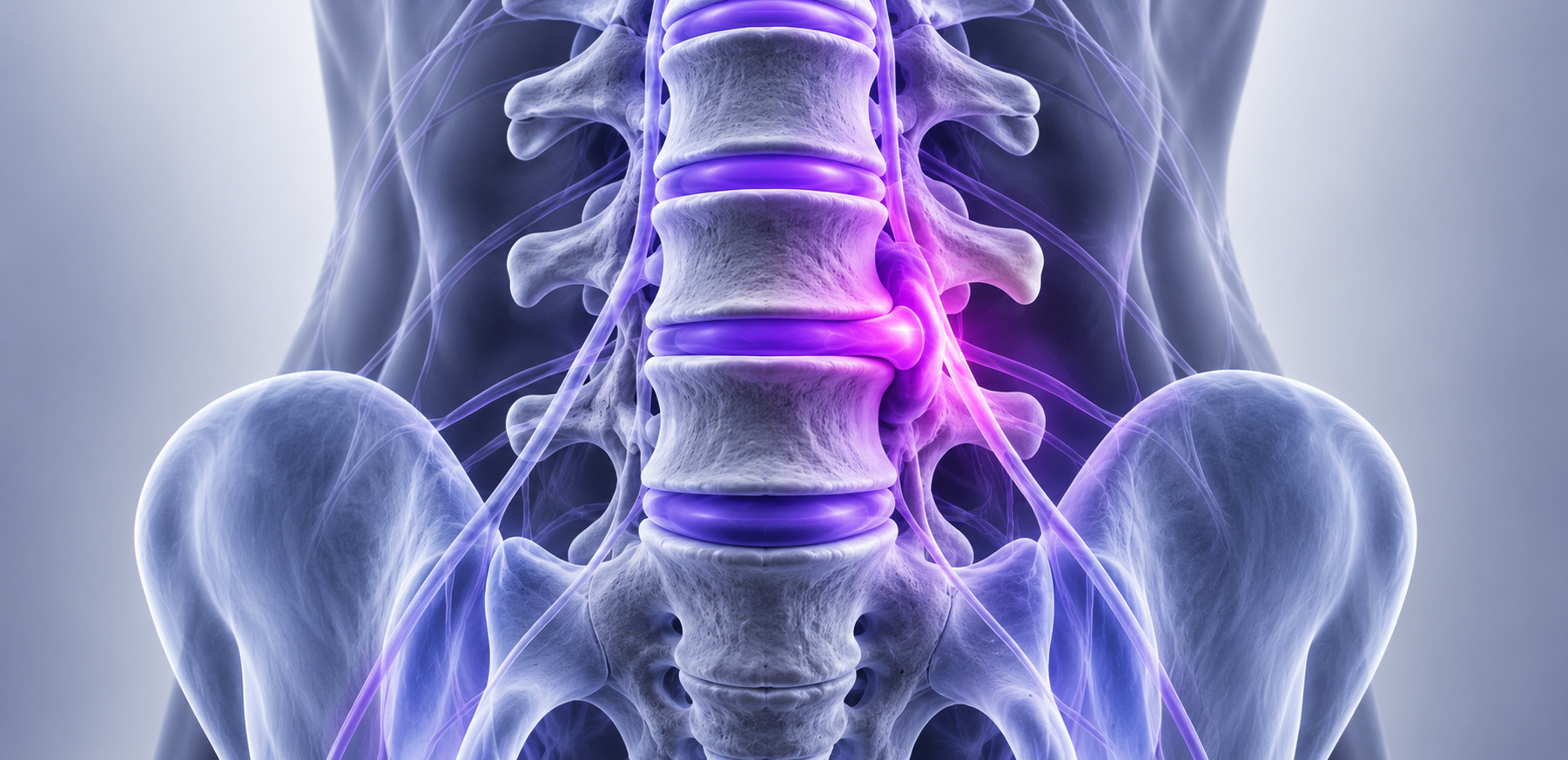

Back pain
Back pain is one of the most common health issues today. We offer modern, minimally invasive solutions aimed at eliminating the root cause of the pain and improving your quality of life.
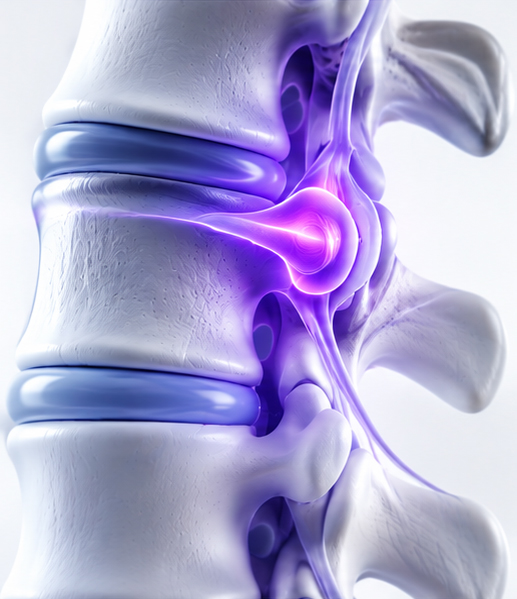
Discs
Intervertebral discs provide spinal flexibility and cushion the spine against loads during movement. Their degeneration, damage, or herniation can cause significant spinal pain, which often radiates into the upper or lower limbs. Patients may experience muscle spasms around the affected area or restricted spinal mobility.
The pain arises when an intervertebral disc protrudes and compresses a nerve. In the past, disc problems were most commonly treated via open spinal surgery; however, we employ a gentler, less invasive approach: laser surgery.

Facet joints
Facet joints connect individual vertebrae and ensure the stability and mobility of the spine. Overloading or degenerative changes in these joints can lead to chronic spinal pain, particularly during movement, backward bending, or prolonged standing. The affected area may also experience muscle weakness or numbness.
The primary trigger for this pain is excessive wear and tear on the intervertebral joints—especially in the cervical and lumbar regions. The pain can be mildly alleviated through exercise or the use of analgesics. To eliminate it completely, we employ nerve blocks or PRP therapy—an innovative treatment utilizing your own blood plasma.
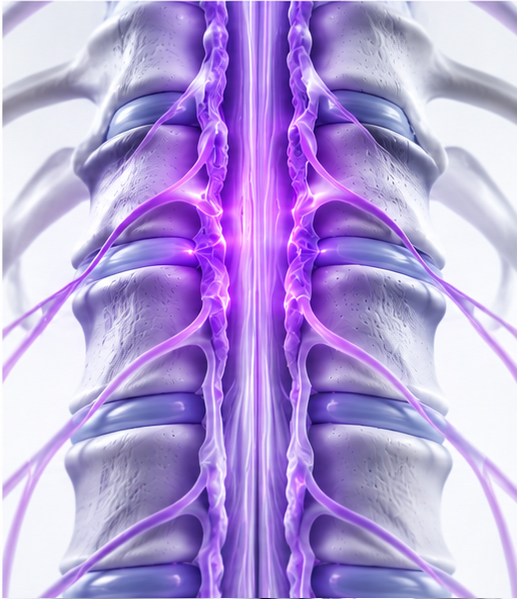
Spinal stenosis
Spinal stenosis involves a narrowing of the spinal canal or the spaces through which nerve structures pass. This narrowing exerts pressure on the nerves and can lead to back pain, leg weakness, numbness, or walking difficulties. Symptoms typically worsen during standing and walking and improve when sitting or leaning forward.
The condition most commonly arises from age-related degenerative changes in the spine. Precise diagnosis using MRI or CT scans allows for the determination of the extent of the narrowing and the selection of an appropriate treatment method. Depending on the patient's condition, the solution may involve conservative therapy, interventional procedures, or minimally invasive surgery.
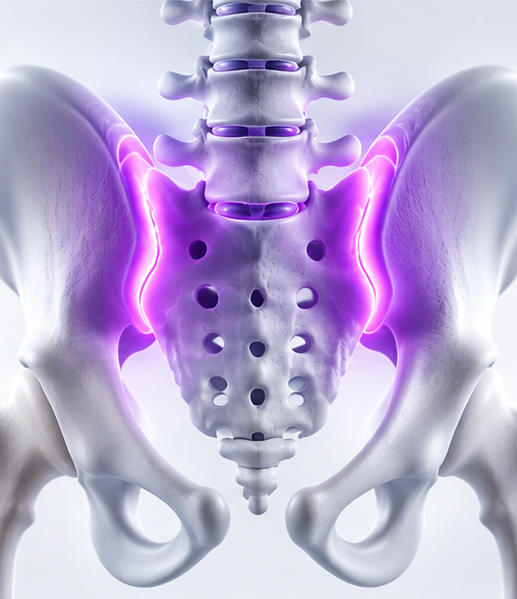
Sacroiliac joint
A pinched nerve associated with sciatica occurs when the nerve roots in the lower spine or the sciatic nerve itself become irritated or compressed. The sciatic nerve is the largest nerve in the human body. Common symptoms include sharp, shooting pain that radiates down the leg, often accompanied by tingling, pins and needles, or numbness. The pain typically worsens with prolonged sitting.

Pinched nerve
A pinched nerve or inflammation of the sciatic nerve occurs due to irritation or compression of the sciatic nerve. This is the largest nerve in the body, and the main symptoms of its irritation include sharp or shooting pain that radiates into the limbs.
Tingling or a sensation of "pins and needles" is also a typical accompanying symptom. The pain usually worsens with coughing, sneezing, prolonged sitting, or excessive physical activity.
Unsuccessful operation
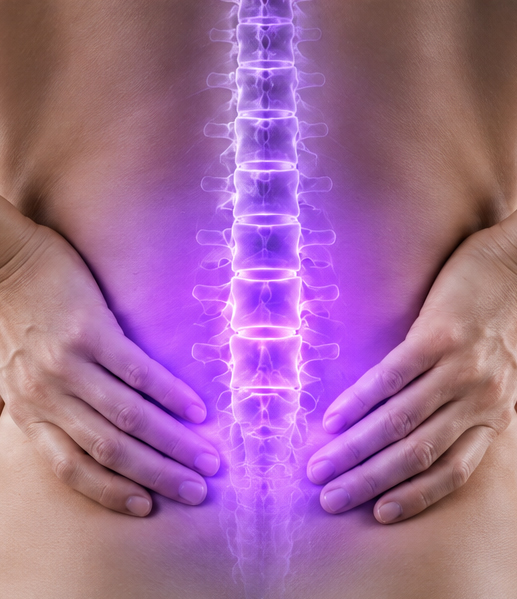
Some patients experience spinal pain even after undergoing surgery. This condition may be caused by scar tissue, persistent nerve irritation, spinal instability, or a misidentified source of pain. The pain can become chronic, significantly disrupting the patient's life.
In extreme cases, the patient experiences even greater pain than before the surgery itself. If left untreated, this can lead to restricted movement or numbness in the affected area.
Thoracic spine pain
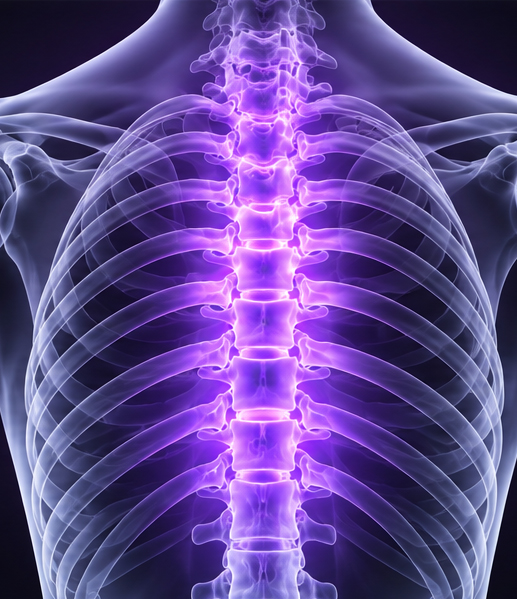
Pain in the thoracic spine or chest may originate in the vertebrae, intervertebral joints, muscles, or nerve structures. It often manifests between the shoulder blades or in the rib area and can worsen with movement, breathing, or prolonged sitting. The pain is typically sharp or radiating; tingling or heightened sensitivity in the affected area is also common. Thoracic spine pain can also result from muscle strain, various forms of inflammation, or shingles.
Book a specialist consultation
Every patient and every pain condition requires an individual approach.
At the Pain Clinic, we employ modern diagnostic and treatment
methods aimed at precisely identifying the cause of the condition
and devising an appropriate treatment plan.
recepcia@painclinic.sk